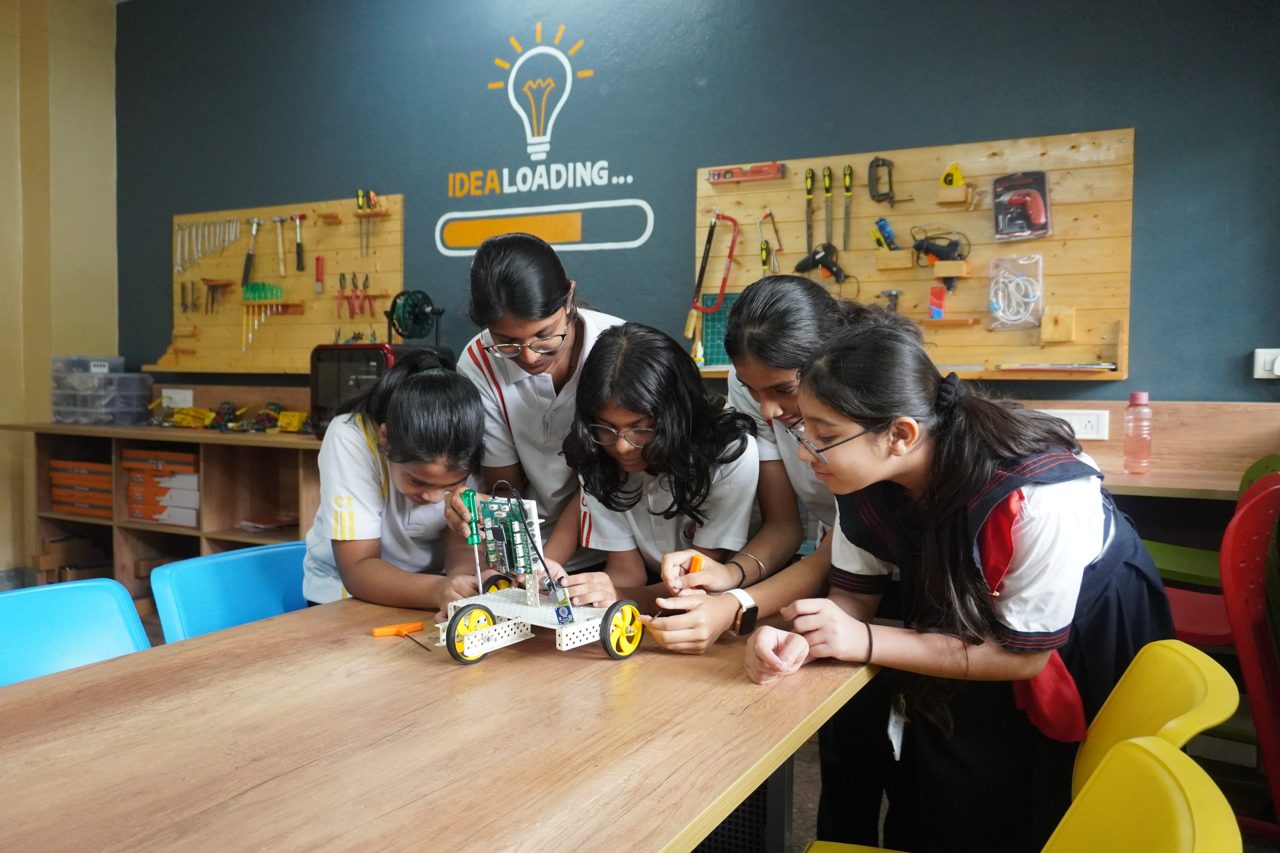
Who Can Teach a Robotics Lab in School? Your ICT Teacher
In most schools, the person who can teach the robotics lab is already on your payroll: your ICT or computer science teacher. CBSE does not require a specialist "robotics teacher" for Grades 3–8 robotics and coding activities, and even for the AI skill subject (Code 417) its suggested qualifications - a computer science or IT diploma or degree, or a graduate with a PGDCA match what most ICT teachers already hold. What decides whether your lab runs weekly is not the teacher's degree; it's whether they get structured, lesson-level support.
We've seen this play out across hundreds of school labs: the schools that wait to hire a robotics specialist rarely start and the schools that train the teacher they already have are running sessions within the first term. Here's an honest look at who can run the lab, what CBSE actually suggests on paper and what "good enough support" looks like in practice.
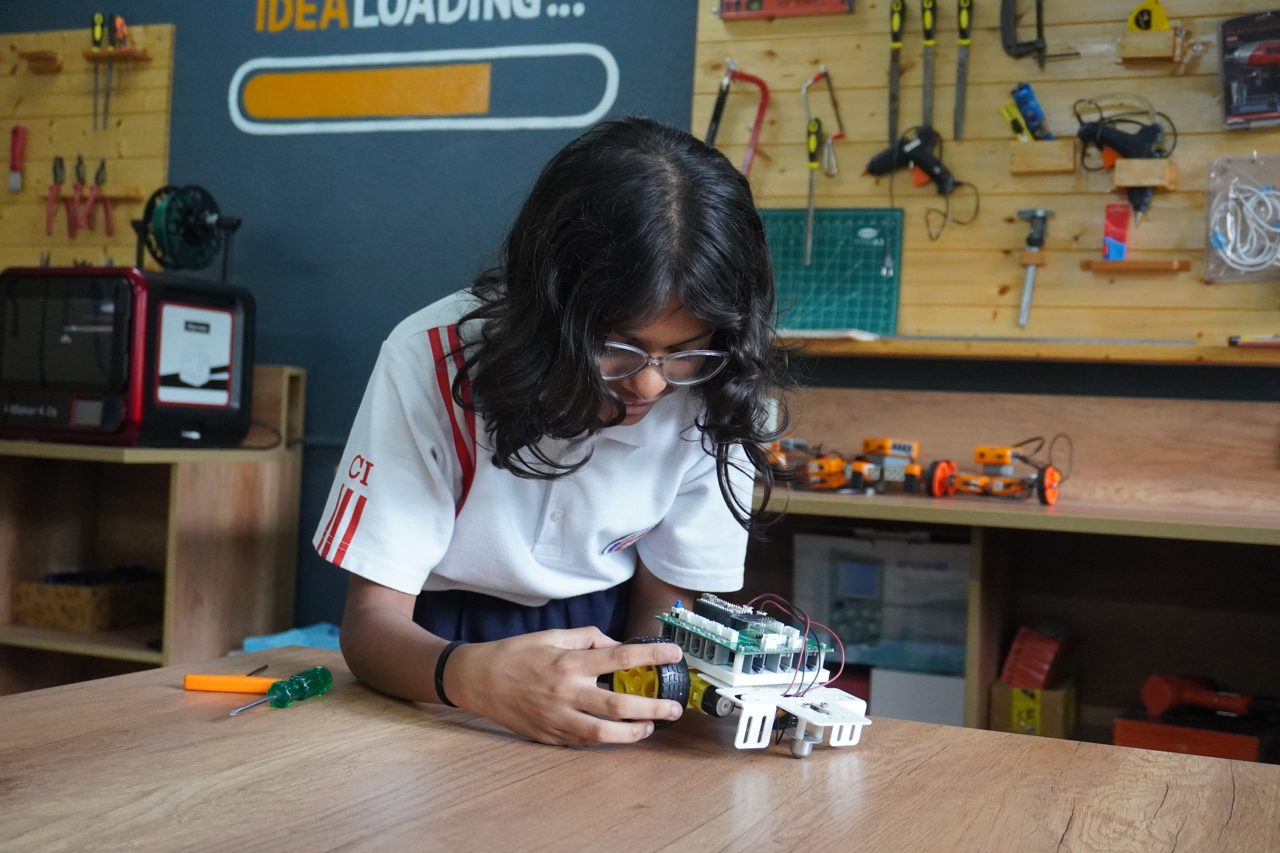
What CBSE actually says about who can teach
There are two separate questions hiding inside "who can teach robotics," and schools mix them up constantly.
Grades 3–8 robotics and coding periods
For robotics activities, block coding and the middle-school coding-and-AI modules, CBSE prescribes no separate teacher qualification. These run inside your existing timetable, usually the ICT period and the school decides who teaches them. In practice, that's the ICT teacher, sometimes supported by a science or maths teacher who enjoys the subject.
The AI skill subject, Code 417 (Classes 9-10)
Here CBSE's Department of Skill Education publishes suggestive qualifications for the teacher. Per CBSE's own vocational teacher qualification document (Teacher Qualifications for Skill Subjects, cbseacademic.nic.in), any of these is acceptable:
Diploma in Computer Science or Information Technology
Bachelor's degree in Computer Applications, Computer Science or IT (BCA, B.Sc. CS/IT)
Any graduate with a PGDCA
DOEACC 'A' Level certificate
Two things worth noting: CBSE calls these the minimum, higher qualifications are acceptable and certification from the relevant Sector Skill Council is preferred, not mandatory. There is no requirement for a robotics-specific degree, because no such mainstream degree pipeline exists for school teaching in India anyway.
Read those bullets again and compare them with your ICT teacher's CV. In most CBSE schools, the ICT teacher already clears the bar on paper. The real question is different.
The real gap isn't qualification, it's confidence and curriculum
An ICT teacher who has taught MS Office and basic programming for a decade can absolutely learn to run robotics sessions. What actually stops them is much more mundane:
No lesson plan: handing a teacher a box of kits and saying "take a class" fails every time. They need a grade-wise activity plan that says exactly what happens this week.
Fear of being asked something they can't answer: robotics classes are unpredictable - motors jam, code misbehaves. Teachers need a support line for the moment a session goes sideways.
Time: a 40-minute period leaves no room for improvisation. Activities must be pre-engineered to fit - setup, activity, cleanup or the teacher quietly stops using the lab.
This is why "we'll hire a robotics expert" is usually the wrong plan. Specialist hires are scarce, expensive and leave and when they leave, the lab stops. A trained internal teacher with structured material is more durable than a hired specialist with none.
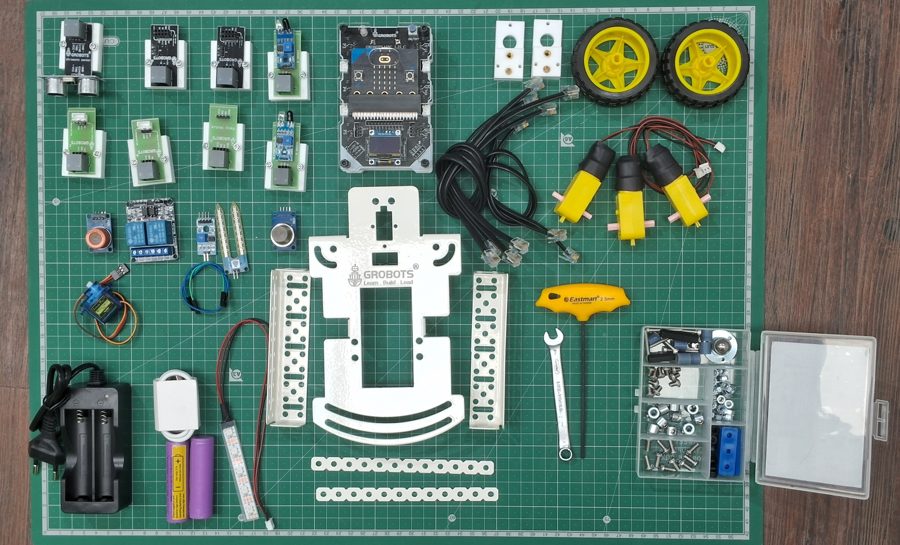
What good teacher enablement looks like
Across the robotics labs our team has implemented, we've trained 650+ teachers almost none of whom had a robotics background on day one. The pattern that works has four layers:
1. Induction training before the lab opens
Duration: typically 3-5 days of hands-on training on the actual kits the school bought, not generic theory
Content: building, coding, classroom management of kits, basic troubleshooting
Timing: schools that schedule training before installation get the lab into the timetable in the first term; schools that don't, drift
2. Lesson-level video support, all year
The model: a teacher-facing video for every single lesson, so the teacher can preview tonight what they'll teach tomorrow
Language matters: our Virtual Master Trainer provides this in English and Hindi because confidence collapses fastest when the material is in a language the teacher thinks in second
Why it works: the teacher is never more than one video away from being ready, which removes the fear that kills labs
3. Activities engineered for the 40-minute period
Grade-wise plan: a full annual sequence per grade (we use 130 structured activities across Grades 3–8), so "what do we do this week" never arises
Kit-to-student ratio: 1 kit per 2-3 students keeps every child hands-on and the class manageable for one teacher
4. An escalation line
Refreshers: a short refresher each term as grades progress into new material
Support: a named human the teacher can call when hardware misbehaves repairs and spares handled by the vendor, not the teacher
Government programmes are moving the same direction: NCERT's CIET ran a six-day online "Robotics and Artificial Intelligence in Education" teacher programme in February 2026, with the series available as a course on the DIKSHA portal, a useful free supplement, though it can't replace hands-on training on your school's own kits.
When you genuinely do need more than your ICT teacher
Honesty cuts both ways. There are three situations where the internal-teacher model needs reinforcement:
No ICT teacher at all, or one period short of capacity. Smaller schools sometimes have a single overloaded computer teacher. Adding lab periods to a full timetable fails, fix the load first.
Senior-secondary AI depth (Code 843, Classes 11–12). Python, ML projects and data work at this level benefit from a teacher with genuine programming fluency. Some schools upskill; some hire; some bridge with external mentors.
Competition ambition. Regular lab periods are teachable by a trained ICT teacher; national-level competition prep benefits from expert mentoring on top. This is exactly what a managed lab model adds, a full-time trainer on campus, with the school's own teachers learning alongside. That's the model behind Bhavans Nagpur's results - 4 of 6 campuses qualifying for CBSE Nationals in Year 2.
A practical decision path for principals
Step 1 - audit what you have: does your ICT teacher hold a CS/IT diploma, BCA/B.Sc., or PGDCA? If yes, they likely already meet CBSE's suggested bar for Code 417 and certainly for Grades 3-8 robotics.
Step 2 - buy training with the lab, not after it: make induction training and year-round lesson support a line item in the lab proposal itself. A lab quote without teacher enablement is an incomplete quote, see our AI & robotics lab equipment list for what a complete package includes.
Step 3 - start Grades 3-8 first: the block-coding and middle-school AI modules are the easiest place for a teacher to build confidence, and the kit progression grows with them toward Code 417.
Step 4 - decide the operating model: internal teacher with training and video support for most schools; managed lab with a resident trainer if you want zero internal effort or serious competition outcomes. The comparison in our CSL vs AI & Robotics Lab vs ATL guide shows how the lab choice and the teacher choice fit together.
FAQ
Does a robotics teacher need a B.Ed. or engineering degree?
No. For Grades 3–8 robotics periods CBSE prescribes no separate qualification. For the AI skill subject (Code 417), CBSE's suggestive qualifications are a CS/IT diploma or degree, a graduate with PGDCA, or a DOEACC 'A' Level certificate, higher qualifications are also acceptable.
Can our existing computer teacher teach CBSE Code 417 (AI)?
Very likely yes. Most ICT teachers hold a BCA, B.Sc. (CS/IT) or PGDCA, which matches CBSE's suggested minimum. Sector Skill Council certification is preferred but not mandatory. The bigger need is hands-on training on the lab's actual equipment and curriculum.
How much training does a teacher need before running a robotics lab?
A 3-5 day hands-on induction on the school's own kits is the working norm, followed by lesson-level support through the year, video guides per lesson, termly refreshers and a support line for hardware issues. One-time training without ongoing support is where most labs fail.
Should we hire a dedicated robotics teacher instead?
Usually not as the first move. Specialist hires are scarce and mobile when they leave, the lab stops. Training your existing ICT teacher with structured material is more durable. Hire (or use a resident-trainer managed model) when you need Code 843 depth or serious competition outcomes.
Is there free government training for robotics teaching?
NCERT's CIET has run online "Robotics and AI in Education" teacher programmes, available via the DIKSHA portal. These are useful supplements, but they're generic, your teacher still needs training on the specific kits and curriculum your lab uses.
Wondering if your teacher can run a Grobots lab? Tell us who you have their background, load and grades and we'll tell you honestly whether training is enough or you need the managed model. Proposal within 24 hours.

